Welcome to the world of flexibility workouts, where we embark on a journey to increase our range of motion, improve posture, and enhance overall mobility. Flexibility plays a vital role in our daily lives, from performing simple tasks to excelling in athletic endeavors. In this blog post, we will delve into the importance of flexibility training, its benefits, and guide you through a step-by-step routine to help you become more limber and agile.
Why Flexibility Matters:
Flexibility is not only crucial for athletes and dancers but for everyone seeking optimal physical health and performance. Here are a few key reasons why flexibility training should be an integral part of your fitness routine:
Improved Joint Health: Flexibility exercises help maintain and enhance joint mobility, reducing the risk of injuries and promoting overall joint health.
Enhanced Performance: By improving your range of motion, you can move more efficiently and effectively during workouts, sports activities, and daily tasks.
Posture and Alignment: Flexibility training helps correct postural imbalances, reducing muscle imbalances and strain on the body, and promoting better alignment.
Injury Prevention: Increased flexibility can help prevent muscle strains, sprains, and other common injuries by improving muscle elasticity and reducing muscle tension.
Muscle Recovery and Relaxation: Flexibility exercises can aid in muscle recovery after intense workouts, relieving muscle soreness and promoting relaxation.
Step-by-Step Flexibility Routine:
Follow this comprehensive flexibility routine to enhance your overall flexibility and reap the benefits of a more limber body:
Warm-up: Begin with a few minutes of light aerobic exercise, such as brisk walking or cycling, to increase blood flow and warm up the muscles.
Dynamic Stretches: Perform a series of dynamic stretches that mimic the movements you will be engaging in during your workout. Examples include arm circles, leg swings, and walking lunges with a twist.
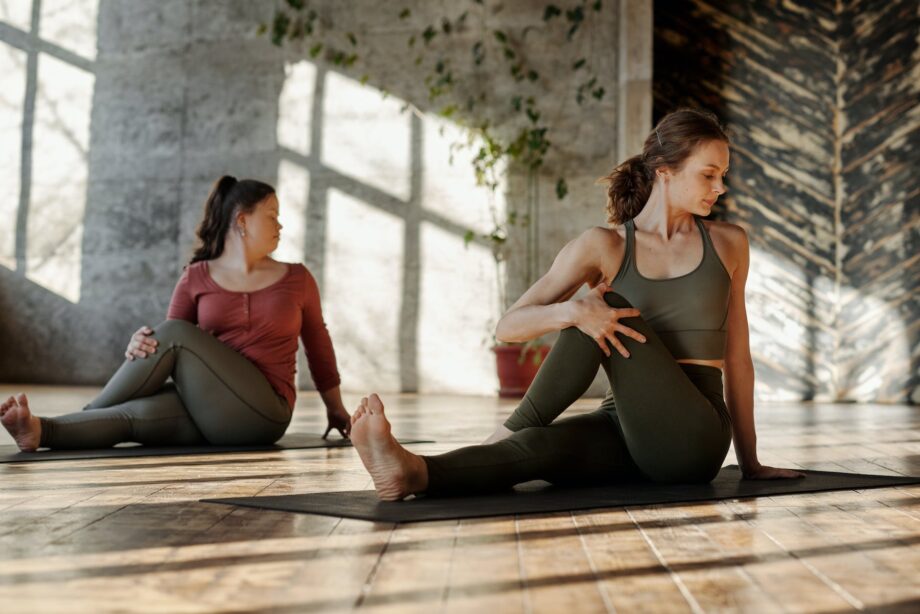
Static Stretches: Move into static stretches, holding each stretch for 15-30 seconds without bouncing. Focus on major muscle groups such as hamstrings, quadriceps, calves, chest, shoulders, and back. Explore stretches like forward folds, lunges, seated forward bends, and chest openers.
Prop Assisted Stretches: Utilize props such as yoga blocks, straps, or a wall to assist you in deeper stretches. This can help target specific areas that require additional attention, such as the hips, shoulders, or calves.
PNF Stretching: Incorporate Proprioceptive Neuromuscular Facilitation (PNF) stretching techniques, which involve contracting and relaxing the targeted muscle group to achieve a greater range of motion. This can be done with a partner or using a strap.
Cool-down: Conclude your flexibility workout with a few minutes of gentle stretching and relaxation, focusing on deep breathing and allowing your body to recover.
Conclusion:
Flexibility training is a key component of a well-rounded fitness routine, offering numerous benefits for overall physical well-being and performance. By incorporating regular flexibility workouts into your regimen, you can unlock your body’s full range of motion, improve posture, and reduce the risk of injuries. So, let’s embrace the journey towards greater flexibility and enjoy the freedom of movement it brings to our lives.